
電鰻英文,《電鰻英文》electriceel的英文表達(dá)
《電鰻英文》電鰻作為一種獨(dú)特的生物,在英語(yǔ)語(yǔ)境中有特定的表述,其英文為“electric eel”,它雖名為鰻魚(yú),實(shí)則并非真正的鰻鱺科成員,而是裸背電鰻科的一員,電鰻擁有強(qiáng)大的放電能力,這一特性使其在自然界中獨(dú)具優(yōu)勢(shì),能夠用于捕獵和防御天敵,在英語(yǔ)學(xué)習(xí)與交流中,準(zhǔn)確掌握“electric eel”這個(gè)詞匯,有助于清晰描述這種神奇的生物,了解電鰻的英文表達(dá),不僅豐富了我們的詞匯量,也為我們進(jìn)一步探索其生物學(xué)特性、生活習(xí)性以及在生態(tài)系統(tǒng)中的角色提供了語(yǔ)言工具,促進(jìn)跨文化的知識(shí)傳播與交流,讓更多人認(rèn)識(shí)到這種令人驚嘆的水
The Electric Eel: Nature's Living Battery
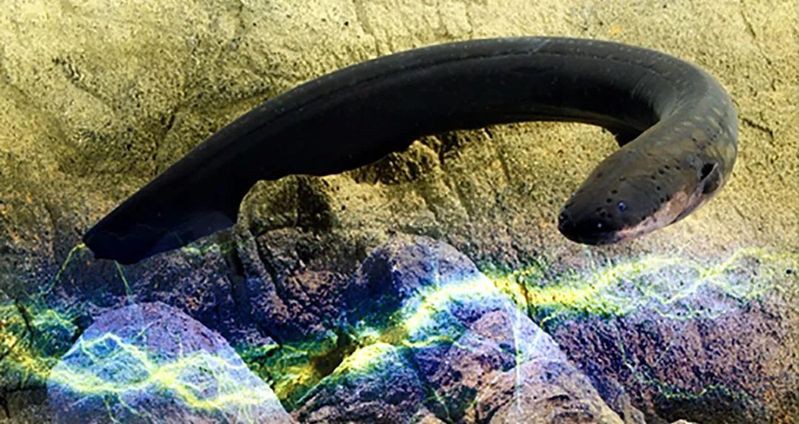
Electric eels (Electrophorus electricus) are among the most fascinating creatures in the aquatic world, renowned for their remarkable ability to generate powerful electric shocks12. These unique freshwater fish inhabit the murky waters of South America's Amazon and Orinoco River basins, where they have evolved extraordinary adaptations for survival and predation1.
Physical Characteristics
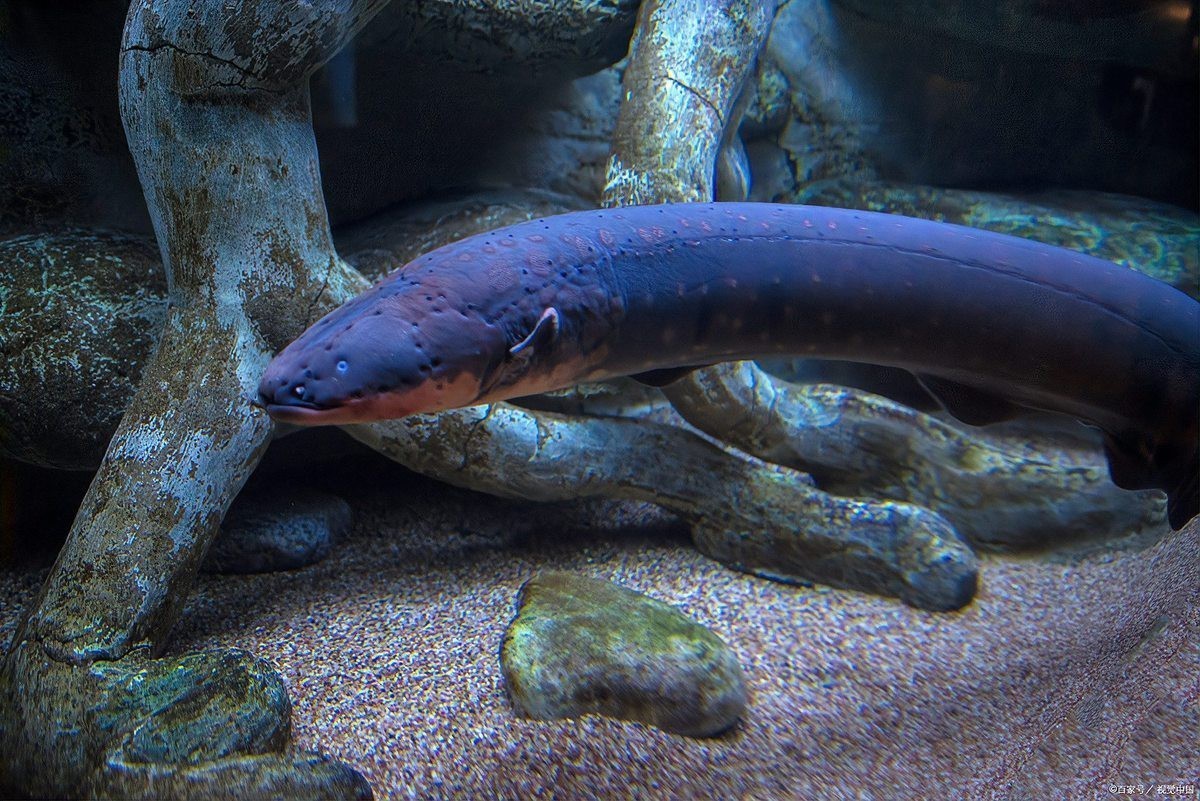
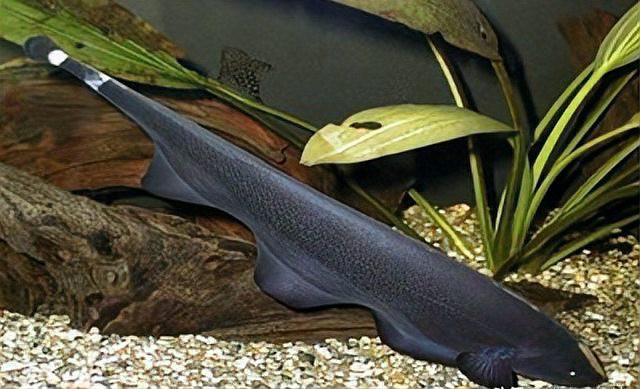
The electric eel possesses an elongated, cylindrical body that can reach an impressive length of 2.5 meters (8.2 feet) and weigh up to 20 kilograms (44 pounds)1. Unlike true eels, electric eels belong to the knifefish family (Gymnotidae) and are more closely related to catfish and carp than to marine eels2. Their smooth, scaleless skin ranges in color from gray to dark brown, sometimes with yellowish undersides near the head region1.
A distinctive feature of electric eels is their lack of dorsal, caudal, and ventral fins. Instead, they have small, translucent pectoral fins and an exceptionally long anal fin that runs along most of their body length1. This unique fin arrangement, combined with their flexible bodies, allows them to move gracefully through the water with wave-like motions3.
Electrogenic Capabilities
The electric eel's most extraordinary attribute is its ability to generate powerful electric discharges. This capability comes from specialized electric organs that make up about 80% of its body1. These organs contain thousands of electrocytes (electric cells) arranged in series, functioning much like biological batteries12.
Electric eels can produce two types of electric discharges:
- Low-voltage pulses (about 10 volts) used for electrolocation and navigation
- High-voltage shocks (up to 860 volts) used for hunting and defense14
The high-voltage discharge is strong enough to stun or kill prey, and potentially dangerous to humans4. An adult electric eel can generate shocks of 600-800 volts with currents up to 1 ampere1. This discharge capability is so powerful that it inspired the scientific name Electrophorus electricus, meaning "electricity bearer"2.
Hunting and Feeding Behavior
Electric eels are apex predators in their freshwater habitats. They primarily feed on fish, crustaceans, insects, and occasionally small terrestrial animals that venture near the water1. Their hunting strategy is a remarkable example of biological electrolocation:
- Prey Detection: The eel emits low-voltage pulses to detect nearby prey through distortions in the electric field1.
- Electric Attack: Upon locating prey, it delivers high-voltage shocks that cause involuntary muscle contractions in the target1.
- Consumption: The immobilized prey is then swallowed whole1.
This hunting method is so effective that electric eels can remotely control the movements of their prey through electrical stimulation of the prey's motor neurons1.
Respiration and Habitat
Unlike most fish that extract oxygen from water through gills, electric eels have adapted to breathe atmospheric air1. They must surface every few minutes to gulp air, as they would drown if unable to access the surface1. This adaptation allows them to thrive in oxygen-poor waters where other fish might struggle.
Electric eels prefer slow-moving or stagnant waters with muddy bottoms, such as floodplains, swamps, and creeks1. They often hide among submerged vegetation or burrow into soft sediment during the day, becoming more active at night1.
Reproduction and Life Cycle
The reproductive behavior of electric eels is equally fascinating. During the breeding season, males build bubble nests using saliva, where females deposit their eggs1. After external fertilization, the male guards the nest until the eggs hatch1.
Young electric eels develop their electric organs remarkably early in life. Some juveniles begin developing electrogenic capabilities when they're only 15 millimeters long1. As they grow, their electric organs become more powerful, allowing them to hunt larger prey and defend themselves effectively.
Scientific Significance
Electric eels have captured scientific interest for centuries. Their unique biology has inspired numerous technological innovations:
- Bioelectric Research: Studies of electric eels have advanced our understanding of bioelectricity and nerve conduction1.
- Medical Applications: Research on electric eels has contributed to developments in pacemakers and other medical devices1.
- Energy Storage: Scientists are studying electric eels to develop new types of batteries and energy storage systems15.
The discovery of new electric eel species, such as Electrophorus voltai in 2020, demonstrates how much remains to be learned about these remarkable creatures4. With its ability to deliver shocks up to 860 volts—nearly eight times the voltage of a standard U.S. household outlet—E. voltai currently holds the record as the strongest living bioelectric generator4.
Historical and Cultural Significance
The electric properties of these fish were known to ancient civilizations long before modern science understood electricity6. Ancient Egyptians referred to electric fish as "Thunderer of the Nile," considering them protectors of other fish6. Roman physicians like Scribonius Largus used electric fish for medicinal purposes, employing their shocks to treat various ailments6.
The term "electric" itself derives from the Greek word for amber ("ēlektron"), but the connection between amber's static electricity and the eel's shocking capabilities wasn't made until much later6. Early European naturalists were fascinated by these "living batteries," with their study contributing to the development of modern electrical science6.
Conservation Status
Currently listed as "Least Concern" by the International Union for Conservation of Nature (IUCN), electric eels face few natural predators due to their shocking defenses1. However, habitat destruction and pollution in South American waterways may threaten their populations in the future1.
Comparative Anatomy
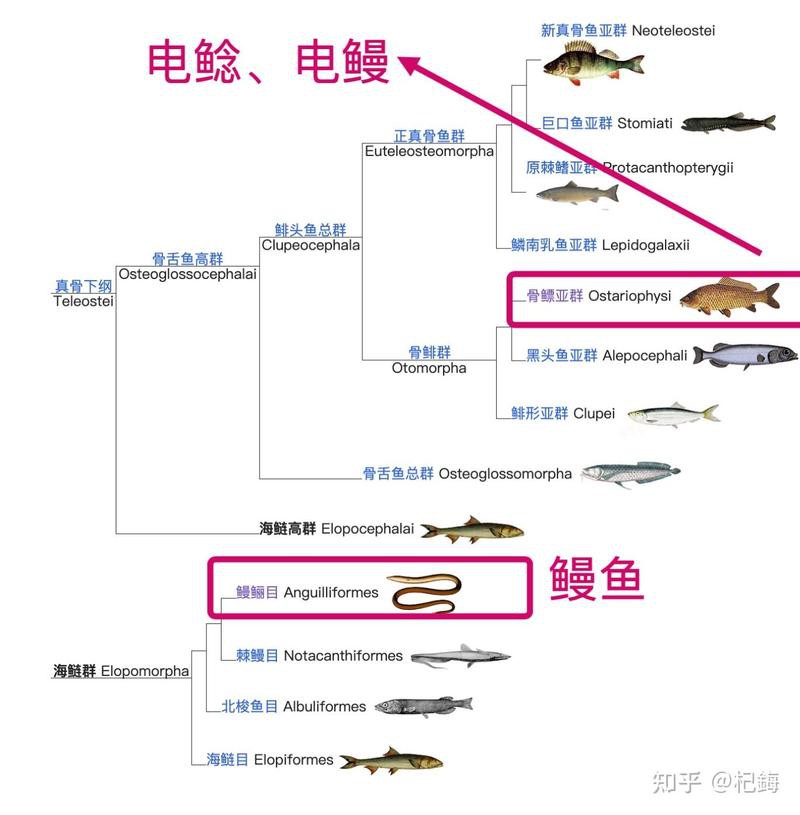
While often confused with true eels (Anguilliformes), electric eels belong to a distinct taxonomic order (Gymnotiformes)2. They share some characteristics with other electric fish like electric rays (Torpediniformes) and electric catfish (Malapteruridae), but their electric organs are more developed and powerful78.
The electric eel's body contains three pairs of abdominal organs that produce electricity: the main organ, Hunter's organ, and Sachs' organ1. These work together to generate and control electrical discharges with remarkable precision1.
Electrical Communication
Beyond hunting and defense, electric eels use electricity for communication8. They can modify the frequency and pattern of their electric discharges to convey different messages, particularly during courtship8. Males may use specific electrical signals to attract females or warn off rival males8.
This form of "electric communication" is similar to how other animals use visual or auditory signals, demonstrating the versatility of electrical signals in biological systems8.
Conclusion
The electric eel stands as one of nature's most extraordinary examples of biological adaptation. From its powerful electric organs to its unique respiratory system, every aspect of this creature reflects millions of years of evolutionary refinement. As scientists continue to study electric eels, they uncover new insights that may lead to technological breakthroughs in energy, medicine, and beyond14.
These remarkable fish remind us of nature's boundless creativity and the many secrets still hidden within Earth's ecosystems. The discovery of new electric eel species in recent years suggests that we have much more to learn about these living generators and their role in aquatic ecosystems4. As research continues, the electric eel will undoubtedly continue to shock and amaze us with its biological wonders12.
 電鰻的基本特征與生長(zhǎng)鵬志致數(shù)字科技
 電鰻可以無(wú)限的放電嗎為什么科學(xué)獵奇電鰻外形作文80字百度文庫(kù)
 時(shí)文閱讀--帶電的鰻魚(yú)World's most electrifying eel found in Amazon 錦鯉英語(yǔ)electric eel金山詞霸
 電被發(fā)明以前,電鰻叫什么呢杞鋂
推薦閱讀:
魚(yú)缸用增氧泵價(jià)格是多少:魚(yú)缸增氧機(jī)-xtrac增氧機(jī)-xtrac增氧機(jī)
發(fā)表評(píng)論